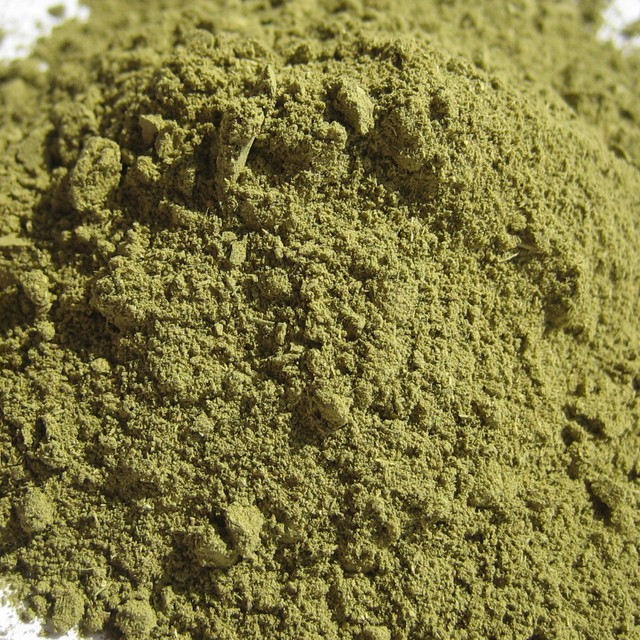
Henna is a dye prepared from the plant Lawsonia inermis, also known as the henna tree, the sole species of the genus Lawsonia.
Henna can also refer to the temporary body art resulting from the staining of the skin from the dyes. After henna stains reach their peak color, they hold for a few days, then gradually wear off by way of exfoliation, typically within one to three weeks.
The earliest use of Henna was in 1200 BC when it was used to dye the hair and nails of Egyptian pharaohs, as well as fabrics including silk, wool and leather. It’s even said that Cleopatra herself used henna to adorn her body.
Natural henna is also known as red henna, produces a rich-brown stain that can darken in the days after it is first applied. Natural henna is a pure form of henna unlike neutral or black henna which may not actually contain henna, but are instead made from other plants or dyes.
Benefits of using Henna Powder:
- It Maintains Scalp Health
- Helps Balances PH levels and Oil production
- Henna Curbs Hair Fall and Boosts Hair Growth
- Helps to Strengthen And Repairs Hair
- Henna Conditions Hair
HOW TO COLOUR YOUR HAIR BROWN NATURALLY?
- Soak the Henna Powder (100 gms for short hair, 200 gms for shoulder-length hair, 300 gms for long hair) with Tea Water or Coffee Water overnight. (Adding coffee makes the red color of henna more visible.) Add only a dash of Lemon Juice if you wish.
- Add Yoghurt or Egg for additional conditioning.
- The next day, apply the paste on clean, product-free hair for 45-60 minutes, depending on preferred intensity.
- Rinse thoroughly only with water, repeating as many times as you intuitively need. Do not use shampoo.
Henna colouring properties are due to Lawson, a burgundy organic compound that has an affinity for bonding with protein. The color that results from dying with henna can fall into a broad spectrum, from red to orange, burgundy, chestnut brown. The longer you keep henna on your hair, the deeper and stronger color you’ll get.
Country of Origin: India